

By somayeh
Published July 8, 2026
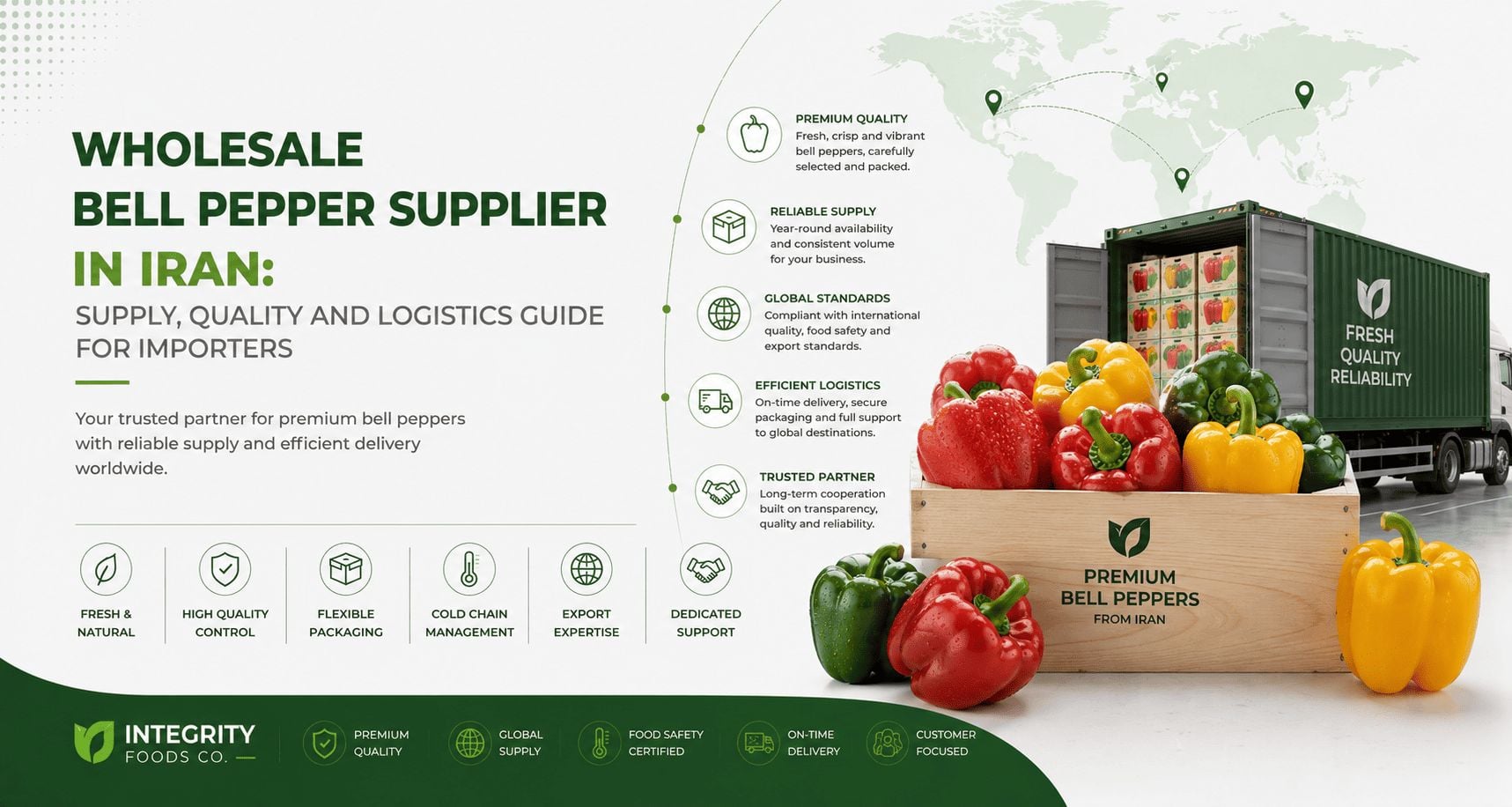
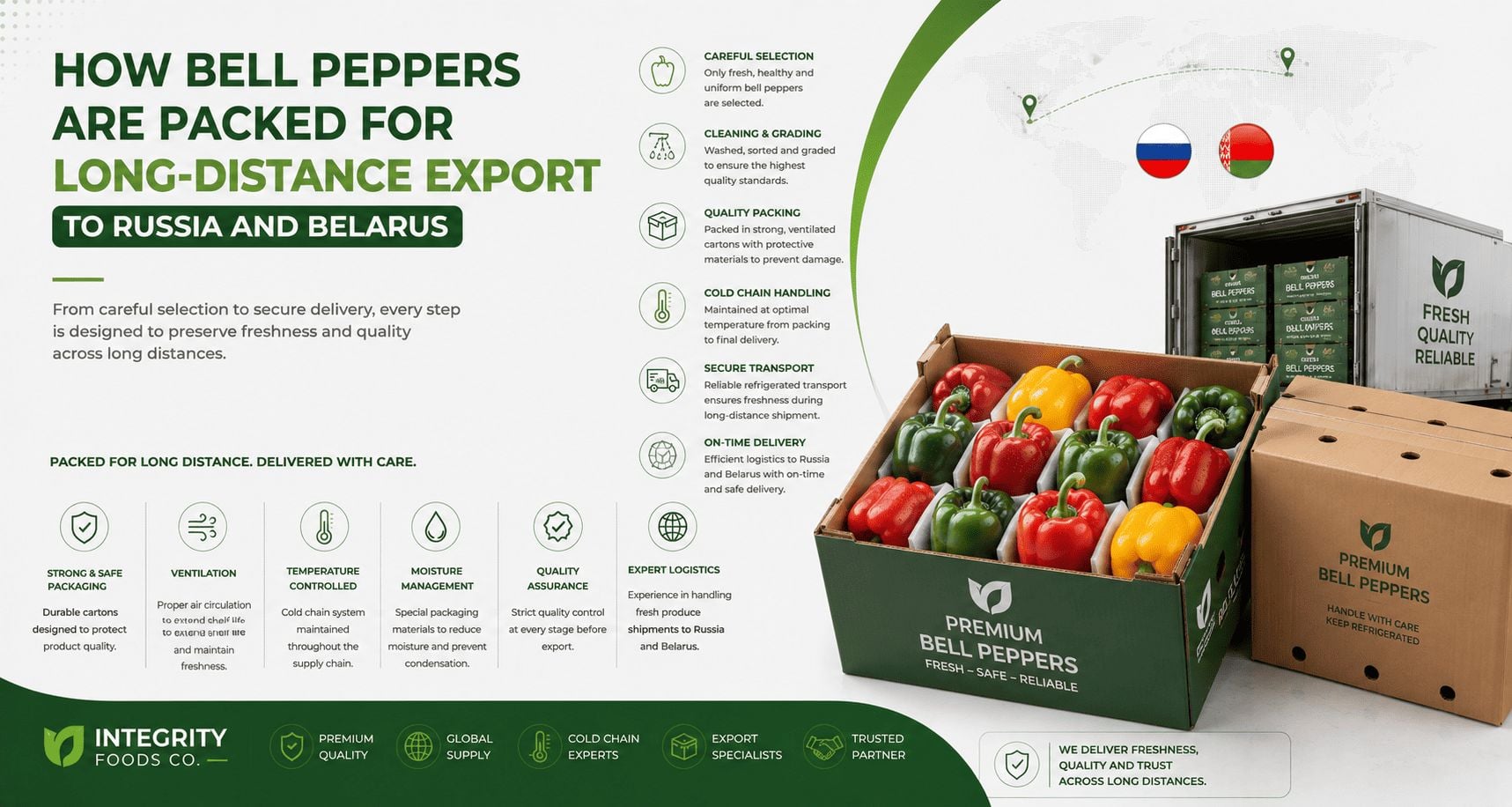
When we talk about bell pepper shipping from Iran to Russia and Belarus, we are looking at a journey that typically lasts 12 to 14 days by road. For any professional wholesale bell pepper supplier, the goal is simple but challenging: making sure the peppers arrive at the destination looking as fresh as the day they were picked. But how? What makes a successful long-distance shipment possible?
In this article, we will explore the essential strategies used to ensure quality from farm to destination.
3 Common Causes of Damage During Transport
Before discussing packing methods, it is important to understand the main causes of damage during transport. Here are the 4 most common problems we see:
1. Excessive Moisture and Poor Ventilation
If air can’t circulate, humidity builds up and this moisture is a magnet for mold. Peppers need to breathe and we should ensure there is a proper airflow inside the container.
2. Improper Stacking
When the boxes are stacked too high without proper support, the entire load can shift or collapse, causing massive physical damage.
3. Temperature Fluctuations
If the refrigerator unit in the truck changes temperature frequently, the peppers will suffer from chilling injury or heat stress, both of which cause the skin to wrinkle and soften.
How to Prevent Bulk Bell Peppers from Damage During International Transport
Protecting the fruit depends on two key elements: timing and technique. Let’s look at them:
Harvest Timing
Many people think peppers should be fully ripe when picked. However, for long-distance shipping, this is not true. If you pick a pepper that is already fully colored and soft, it will likely spoil or become mushy before it reaches Moscow or Minsk.
To prevent bulk bell peppers from damage during international transport, farmers must harvest them when they are physically firm but not yet at their final color. During the 12–14 day transit, the peppers continue to ripen naturally inside the container.
By the time they arrive at the warehouse, they reach their perfect color. With this method, farmers master how to avoid fruit and vegetable spoilage during international shipping.
Technique of Packing
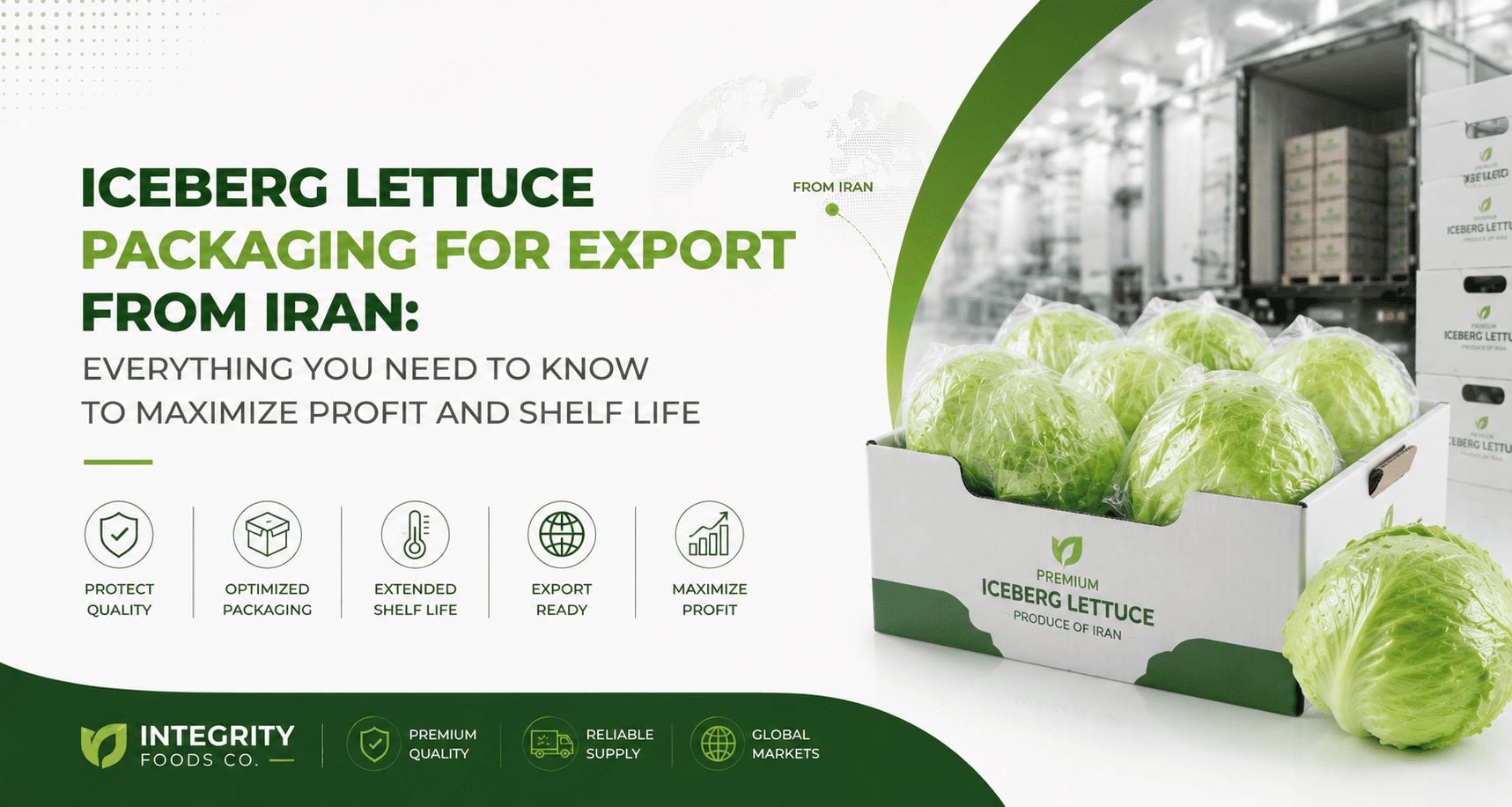
As we’ve seen, bell pepper shelf life during shipping for import depends heavily on how they are treated inside the box. It isn’t enough to just have a cold truck; the internal arrangement is what keeps the fruit stable.
While using high-quality carton-plast (corrugated plastic) boxes is the industry standard, the way you layer them is what truly matters. A very common mistake is placing smaller peppers at the bottom of the box. The weight of larger peppers can put pressure on smaller ones, leading to bruising and faster deterioration.
To ensure quality, always build a stable foundation by placing your largest, sturdiest peppers at the bottom, and carefully layer the medium and smaller sizes on top. This protects the integrity of every single piece in the shipment.
Conclusion
Knowing how are bell peppers packed for export to Russia and Belarus, from selecting the perfect maturity stage to mastering the stacking order, is what separates a successful supplier from one who loses profit to spoilage.
At Integrity Fruit, we understand these complexities. We ensure that your Iranian bell peppers are handled with precision, so they reach the Russian and Belarusian markets in perfect, market-ready condition.